


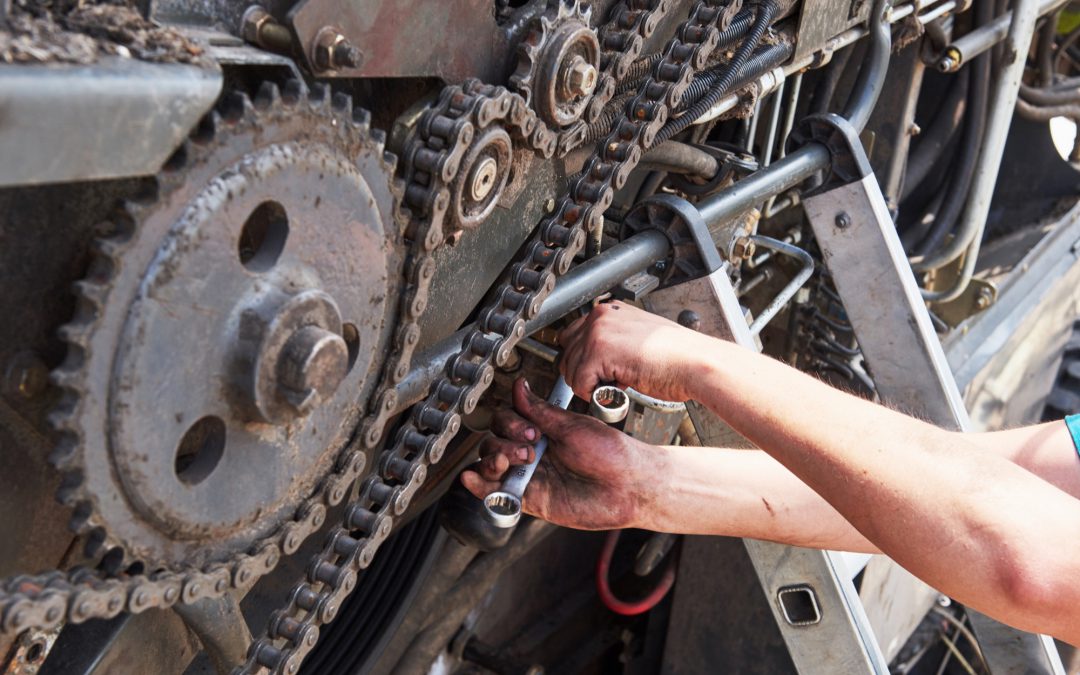
Winter maintenance of machines – protection against frost and extended equipment lifespan | GĄSKA
Winter is a time that can test even the best-maintained agricultural machinery. Freezing fluids, frost-damaged seals, and rusted joints are common reasons for costly spring failures. Proper preparatory maintenance and the use of components resistant to low temperatures are an investment that pays off quickly — they reduce the risk of downtime and extend the lifespan of the equipment. In this article, GĄSKA will guide you step by step through the most important actions — from fluid inspection, through lubricating bearings and chains, to storage and securing the hydraulic system.
Understanding the issue — why is winter maintenance so important?
Agricultural machines (tractors, combines, balers) operate in harsh conditions — dirt, moisture, and low temperatures promote corrosion, freezing, and premature wear of moving parts. Key problems include:
- freezing working and coolant fluids,
- oxidation and corrosion of metal components,
- thickening of lubricants with inappropriate viscosity at low temperatures,
- weakening and cracking of rubber seals,
- loss of battery capacity in low temperatures.
Neglected winter preparation often means costly repairs during the spring season and longer downtime. That is why it is worth acting systematically — maintenance is not a single procedure, but a set of actions that verify the condition of fluids, filters, lubrication systems, and mechanical components. (General guidelines for preparing and storing machinery before winter are confirmed by agronomic manuals and university publications on winterization.)
Key steps of winter maintenance (practical checklist)
Below is a specific step-by-step action plan — complete it before long-lasting frost arrives.
1. Thorough cleaning and inspection
Remove plant debris, mud, and oil residue — dirt accelerates corrosion and blocks water drainage.
Check the condition of hydraulic hoses, fuel lines, seals, and mounts.
(Cleaning and inspection are basic procedures recommended before storing equipment.)
2. Fluids and cooling
Refill or replace coolant with one that has the appropriate freezing point — follow the engine manufacturer’s recommendations.
Check the level and quality of engine oil; consider oils with a suitable winter viscosity grade (lower starting viscosities make cold starts easier).
If you have seasonal machines, draining some fluids (where recommended) may prevent freezing.
3. Battery and electrical system
Charge the battery fully and, if possible, store it in a dry, frost-free place.
Keep terminals clean and well-tightened. Consider using a maintenance charger during prolonged storage. (Service advisories recommend removing or maintaining batteries when a machine sits over winter.)
4. Lubrication of bearings, joints, and chains
Use greases and oils designed for low-temperature operation — this prevents hardening of grease and blocking of moving parts.
Apply high-quality lubricants to bearings, joints, and lubrication points. Consider replacing or using bearings and chains dedicated to low-temperature conditions (e.g., ROLLON SOLID and JAG Premium), which offer better resistance to contamination and lower wear rates.
5. Protection of the hydraulic system
Replace the hydraulic filter (if needed) and use hydraulic oil with a low pour point recommended for low-temperature operation.
Ensure no air bubbles are present in the system and inspect hoses for micro-cracks, which can worsen in low temperatures.
6. Wheels, tires, and storage position
Reduce tire pressure according to recommendations if the machine will stand for a long period (prevents flat spots).
If possible, store machines under a roof or in a hall — this minimizes the effect of moisture and frost.
Key advantages of investing in high-quality components (ROLLON SOLID, JAG Premium) — what you gain with GĄSKA
Below are the 4 most important benefits and how specific solutions help achieve them in practice.
1) Increased reliability and reduced risk of downtime
High-quality bearings and chains designed for harsh conditions are more resistant to contamination, overload, and low temperatures. As a result, seizing or cracking occurs less frequently, directly translating into fewer failures during the season. Products such as ROLLON SOLID and JAG Premium are well-regarded among agricultural parts suppliers and commonly used as high-durability replacements.
2) Extended component lifespan and lower operating costs
Higher-quality bearings and housings reduce friction and wear of cooperating parts, resulting in less frequent component replacement and lower service costs long-term. Investing in better components often leads to a lower TCO (total cost of ownership).
3) Better operating performance after sudden frost
Machines with proper oils and greases start more easily and operate more efficiently in low temperatures — less downtime and faster completion of fieldwork during critical periods.
4) Safety and protection of valuable mechanical components
Properly selected bearings and lubricants reduce the risk of sudden failures that could create hazardous situations or damage expensive assemblies (e.g., gearboxes or shafts). Parts suppliers (e.g., GĄSKA) offer support in selecting the right solutions.
How to recognize the quality of bearings, chains, and lubricants — a practical guide
When selecting components and consumables, pay attention to:
- Manufacturer’s reputation and source: buy from trusted distributors (e.g., authorized partners, offers with originality guarantees). Products like ROLLON SOLID and JAG Premium are available from many Polish agricultural parts suppliers and are known for their good price-to-quality ratio.
- Material specifications: materials resistant to corrosion and heat treatment; seals protecting against water and dust.
- Lubricant parameters: operating temperature range, catalog number, and machine manufacturer’s recommendations; whether the lubricant is washout-resistant and has proper viscosity at low temperatures.
- Tests and certifications: if available, check quality certificates and durability tests.
- Availability of spare parts and service: easy access to parts ensures faster and cheaper repairs.
Practical service tips — checklist before the first frost
- Prepare a list of lubrication points and schedule regular lubrication intervals.
- Replace air, fuel, and oil filters before long winter service intervals.
- Protect elements vulnerable to corrosion (e.g., by using anti-corrosion agents).
- Mark parts requiring quick replacement in spring — to accelerate seasonal startup.
- Store service documentation and parts lists in an easily accessible place — this speeds up mechanic work. (University guides and industry service portals recommend a comprehensive approach: cleaning, lubrication, system inspection, and battery protection.)
Summary — a smart investment in the future of your farm
Winter maintenance of machines is an essential part of managing agricultural equipment. Regular cleaning, appropriate fluids, low-temperature lubricants, and the use of high-quality bearings and components (e.g., ROLLON SOLID, JAG Premium) minimize the risk of failures and downtime and extend equipment lifespan. This saves time and money — and ensures the machinery is ready when the season begins.
Do not risk costly downtime — choose proven components and a professional approach.
Contact GĄSKA to select the right bearings, lubricants, and filters suitable for low temperatures — our specialists will help tailor solutions to your machines and working conditions.
Check the offer of frost-resistant components (ROLLON SOLID, JAG Premium) on the GĄSKA website or contact our service advisor today — prepare your machines for winter and avoid costly spring failures!

Recent Comments